




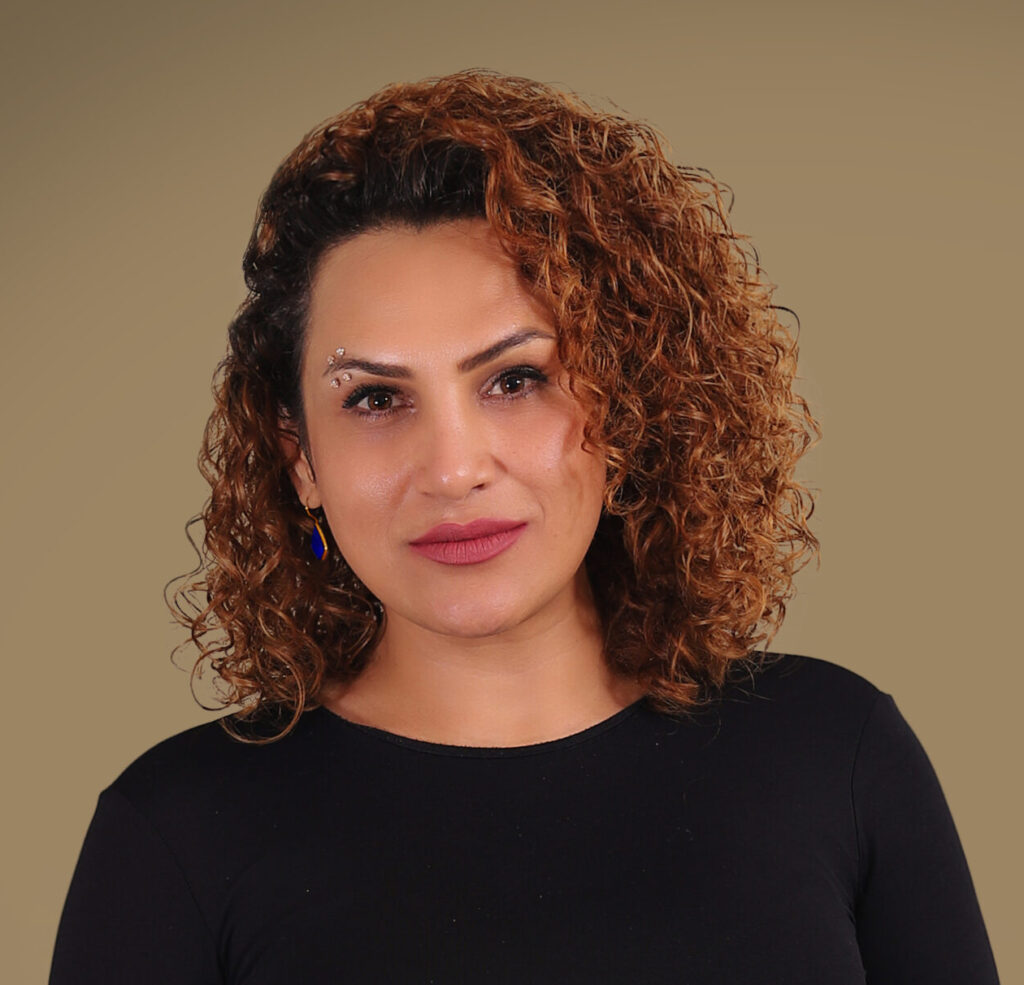
Maneli Mirkhan
Strategist & International Relations founder of DORNA
The development of realistic frameworks for regime change, the mitigation of transition-related risks, and the clarification of Iran’s future trajectory for both the Iranian people and key global stakeholders. This includes continuous analysis of domestic and international developments, engagement with diplomats, decision-makers, and research institutions, and the neutralization of deterrent narratives promoted by the Islamic Republic. The ultimate aim is to align the will of the Iranian people with a responsible international framework, prevent destructive interventions, and prepare Iran’s return to the global order
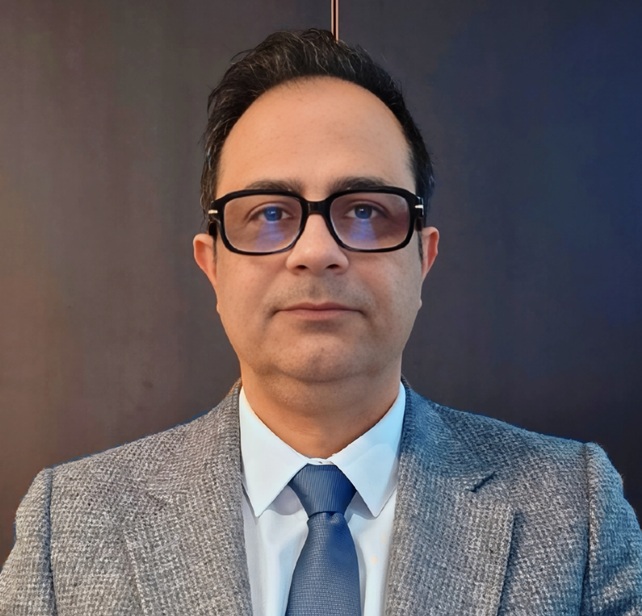
Siamak Tadayon Tahmasbi
Internal Coordination & Civil Mobilization
Coordination among institutions, social groups, and professional sectors inside Iran, and the structured transmission of their demands and needs to external supporters. Support for and assistance in the organization of civil resistance actors, alongside engagement and information exchange with mid-level managers, administrative personnel, and professionals within the state apparatus who have no record of collaboration with the regime and stand in opposition. These efforts aim to accelerate the process of ending the current dictatorship and expose regime officials involved in human rights violations, international crimes, and state-sponsored terrorism.
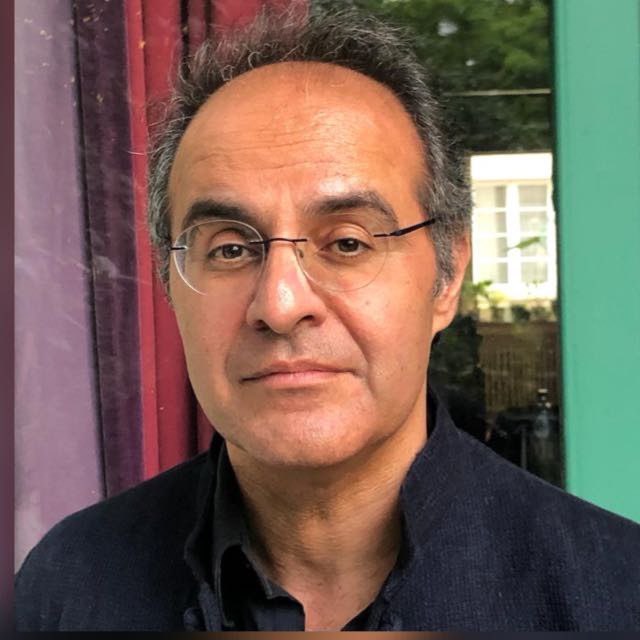
Arash Joodaki
Diaspora, Civil Society, & External Networks
Coordination, alignment, and strategic direction of the capacities of the Iranian diaspora, non-governmental organizations, human rights networks, unions, academic institutions, and civil society actors abroad. The objective is to transform existing fragmentation into a cohesive, credible, and effective force capable of supporting political change in Iran, reinforcing internal dynamics, and channeling international solidarity into structured, outcome-oriented action.
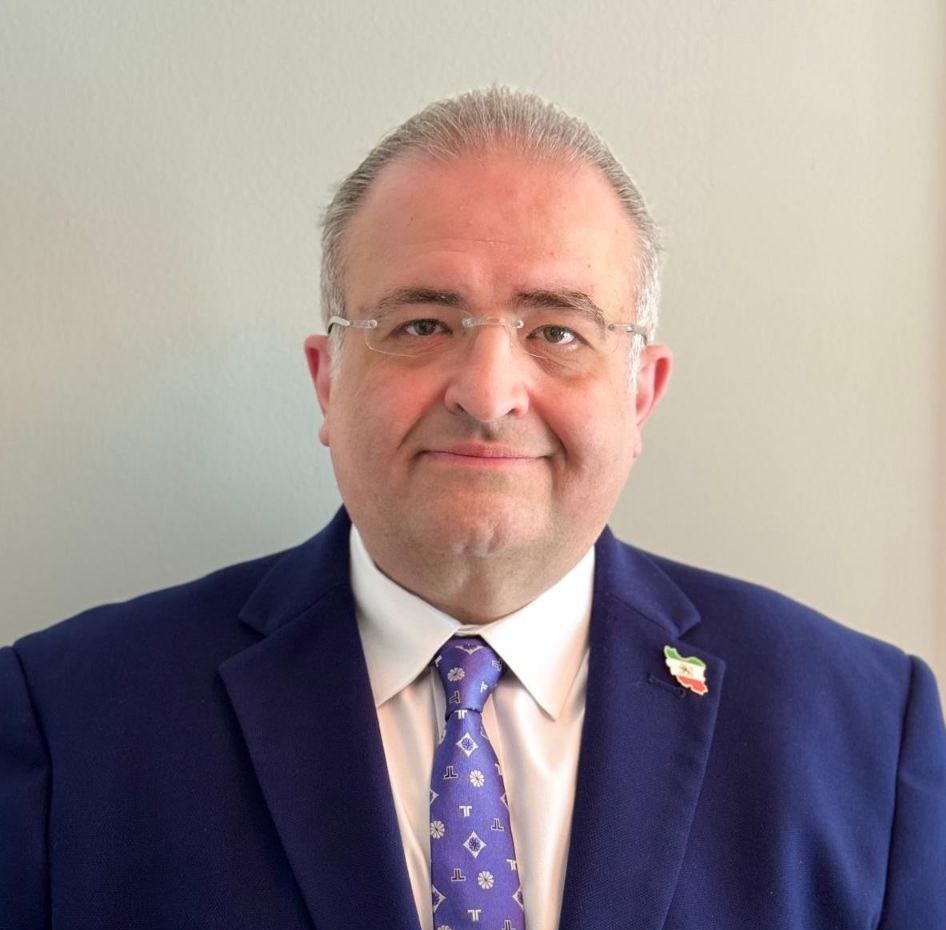
Shayan Samiei
Senior National Security, Intelligence, and Global Foreign Policy Analyst and Senior Policy Director
With more than 20 years of experience in analysis, financial management, strategic planning, and program and project management in the fields of international communications policy and governance. He has extensive experience in managing collective communications and a strong ability to apply intercultural expertise in the design and implementation of programs. He has served as a senior policy advisor to the U.S. federal government, with a solid track record in managing analytical studies, key initiatives, and global analytical and policy projects. He is a technical expert and analyst specializing in Europe, the Middle East—particularly Iran—and the political process of the United States.
Mahshid Nazemi
Human Rights Advocate and Humanitarian Communications & Coordination Lead
With more than a decade of experience in human rights activism, refugee protection, and coordination with humanitarian aid organizations, Mahshid Nazemi has been actively engaged in supporting victims of repression and forced displacement. She has extensive hands-on experience in organizing and facilitating medical and legal assistance, coordinating protection mechanisms, and managing support cases for individuals at risk. She is part of Iran House and serves as the coordination focal point and institutional link with her organization, Iran House, as well as with Eon House and other partner NGOs. In this role, she helps align humanitarian efforts, strengthen inter-organizational cooperation, and ensure effective delivery of medical and legal support.
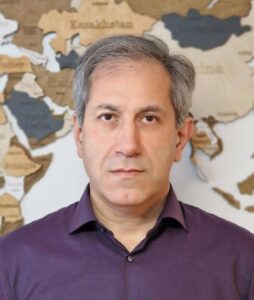
javad chamanara
PhD in Software Engineering, Researcher, and University Lecturer in the fields of Artificial Intelligence and Digital Democracy
Researcher and Manager of multiple European research projects implemented across more than 15 countries. Focused on the application of Artificial Intelligence in industrial sectors for optimization and system behavior prediction, as well as the development of Digital Democracy. Research projects and areas of collaboration with Dorna: Accountability, Privacy, Trustworthiness, AI Economics, and Ethics and Law in the digital sphere. In the field of Digital Democracy: Technologies related to direct participation, decision-making, radical democracy, and election security and integrity—maintaining voter independence and confidentiality—within authoritarian regimes, occupied territories, and during major crises
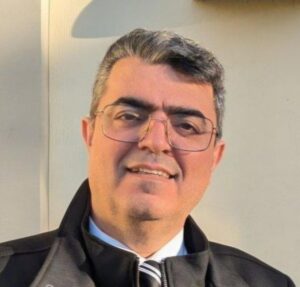
Esmail Abdi
Teachers’ Union Activist & Mathematics Teacher
Esmail Abdi is a certified mathematics teacher and former Secretary-General of the Iranian Teachers’ Association. He represented Iranian teachers’ unions at international forums, including KESK (Turkey, 2013) and the Education International Congress (Canada, 2014). For his union activities, he was sentenced to a total of 16 years in prison and served 8 years and 8 months. In 2017, he received the UK Teachers’ Union International Solidarity Award. He was dismissed from public service on October 5, 2024, for his role in nationwide teachers’ protests.
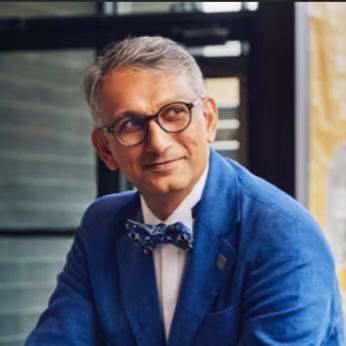
Ebrahim Karimi
Professor of Physics and Canada Research Chair in Quantum Waves
Ebrahim Karimi is a renowned scientist with more than 200 academic publications and multiple national and international awards. Following the Woman, Life, Freedom uprising, he and his colleagues focused on organizing activist networks among young people and Iranians inside and outside the country. By building links between the diaspora and at-risk groups, these networks have helped provide medical assistance, financial support, and free internet access for activists inside Iran. His work is centered on solidarity, pragmatism, and direct support for the Iranian people.

Roya hakakian
SENIOR ADVISOR – NARRATIVE, DEMOCRATIC MEMORY, AND INTERNATIONAL LEGITIMACY
ROYA HAKAKIAN is the author of Assassins of the Turquoise Palace, a NYT Notable Book in 2011, and Journey from the Land of No which was Elle Magazine’s Best Nonfiction in 2004, among other prizes. Her most recent book, A Beginner's Guide to America for the Immigrant and the Curious (Vintage, 2022) has received critical acclaim. Her essays have appeared in The New York Times and The New York Review of Books, and she has been a frequent contributor to the Atlantic. She has collaborated on programming for leading journalism units in network television, including 60 Minutes. She is the recipient of a Guggenheim Fellowship, and is a member of the Council on Foreign Relations.
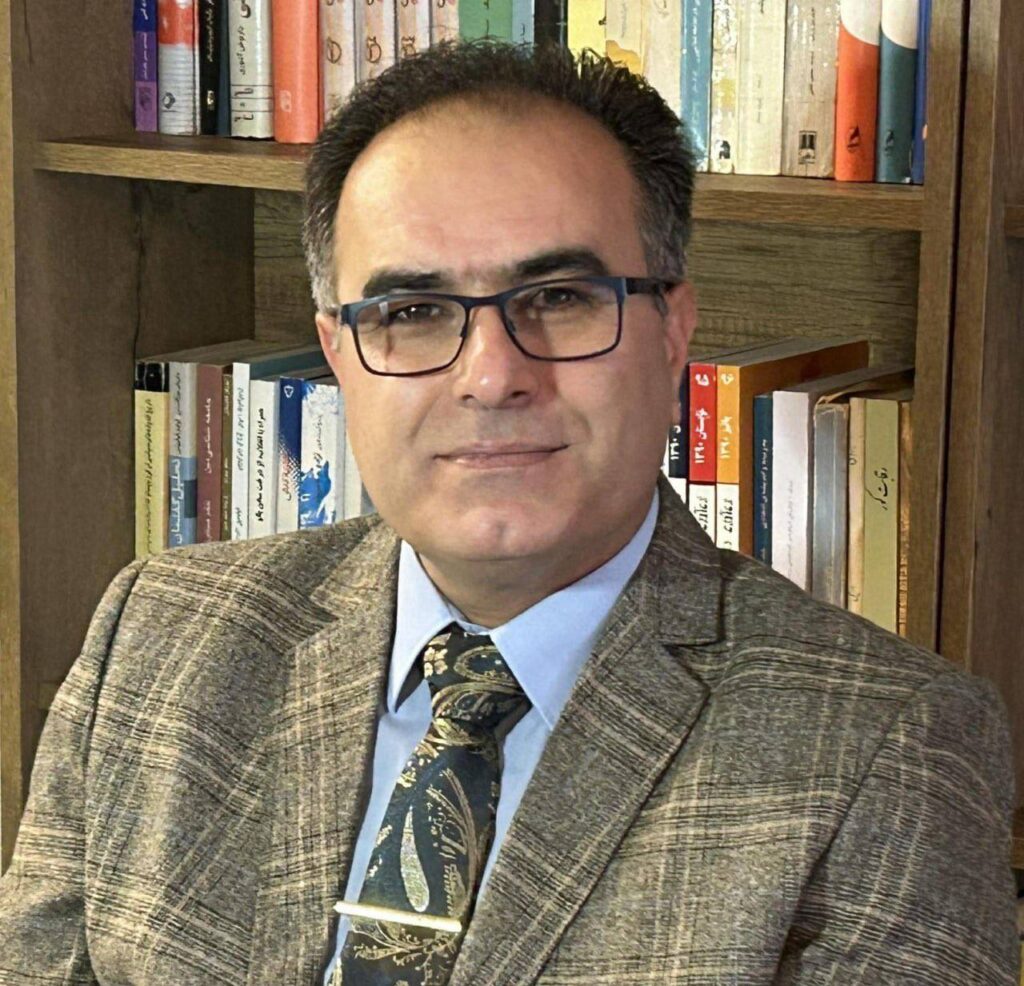
Kawa Ahangari
Political science specialist, with expertise in federalism, political organization, and political leadership
Educated in Sociology and Political Science at the University of Guilan and the Free University of Brussels. Completed specialized leadership training at the International Business Management Institute (IBMI) in Germany and the European Institute of Leadership & Management (EILM) in Ireland. Translator of the book Federalism by Dr. Elliot Bulmer into Persian. Active in the fields of federalism and organizing for the past twenty years.
Christian Ferrié
Political Philosopher – Regimes of Violence and Revolutionary Theory
Holding a PhD in philosophy and political science, Christian Ferrié currently focuses his research on regimes of violence. In La violence au programme (2025), he outlines a critical theory of violence in politics, drawing on Weber, Schmitt, and Arendt. His previous book, Guerre ou politique? (2021), recently translated into Persian, establishes a fundamental distinction between war and politics, while acknowledging the occasional necessity of revolutionary violence to open political space and establish democratic institutions. His current research examines the French reception of the Iranian uprisings since 1978–1979. An upcoming book offers a critical analysis of the ideological biases that influenced Michel Foucault’s interpretation of the revolt against the Shah.